approx. 6 min read

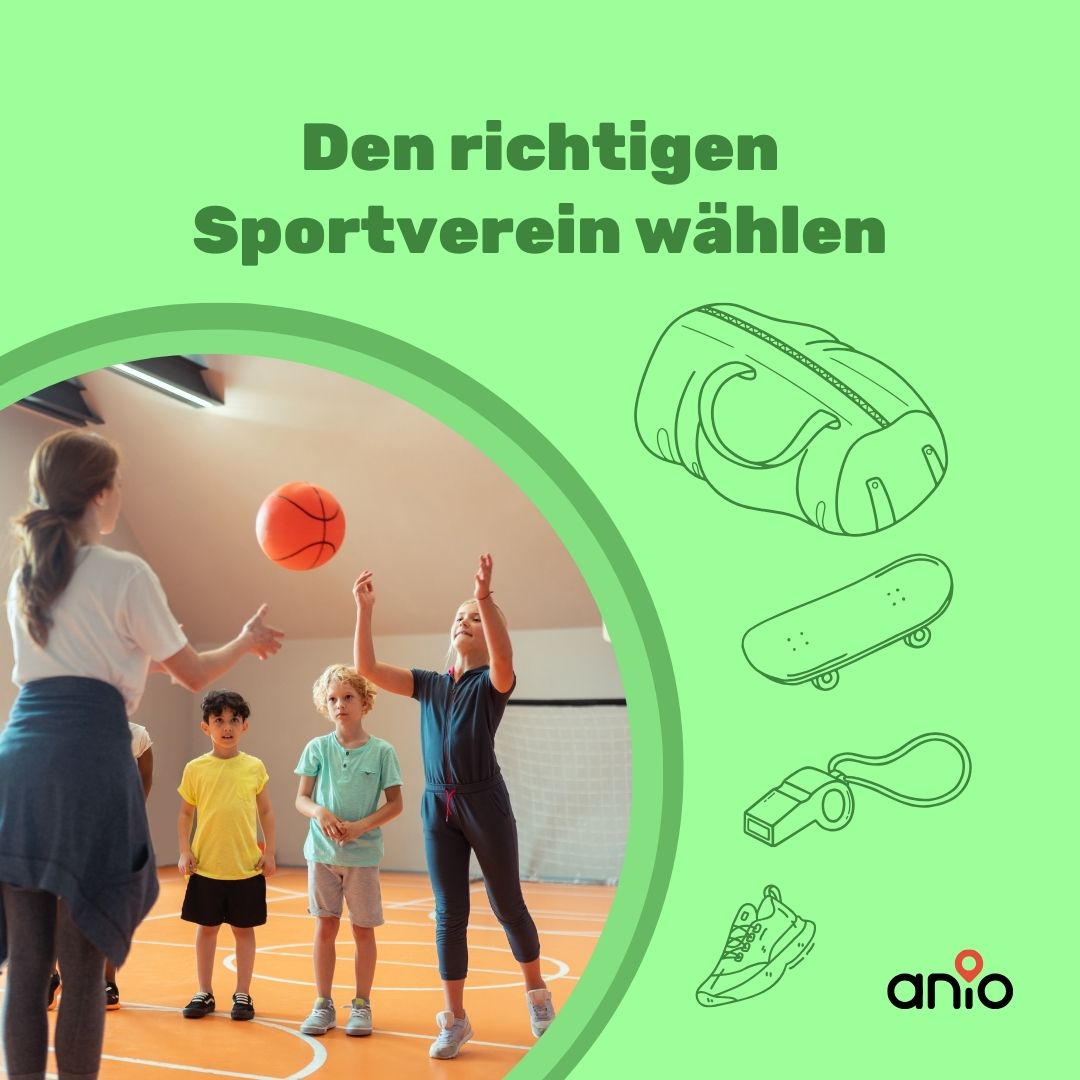
Choosing the right sports club for children is an important decision that can significantly influence both a child's physical and mental development. Sports clubs not only offer the opportunity to develop athletic skills, but also to promote social skills and make friends. However, given the wide range of options, it can be a challenge for parents to find the right club. The clubs or coaches that are highly regarded in your circle of friends may or may not be right for your own child.
A trial session for 5-year-olds at a football club. “Half of them can leave after the trial session. We only take the best.” That's what the coach said. Hmm. Is that the future of football in our country? For the 5-year-olds who want to be trained, performance is considered? And what is the coach's role then? It's usually no different in other sports. It's even harder for girls. “No, girls are not allowed to train with us.” That's the answer our football coach gave about the 5-year-olds.
And this is exactly where you can see that the club that is right for one person is not an option for another. I try to raise my son to be open-minded. Would I want him to play in a club where 5-year-old girls are disadvantaged? Where the coach selects children based on performance rather than motivation? Where after 30 minutes it is decided who can continue training and not pay attention to friendship or cohesion? For me, these are clear red flags.
This led to a huge discussion in our family. We changed clubs. At our next club, during the trial session, they checked whether my son communicated with the others, listened to the coach, and had fun. A balm for my motherly soul. The coaches are licensed coaches with appropriate training, supported by young people who are currently getting their coaching license. A healthy environment where we enjoy training.
Through the parents and children in our circle of friends, I learned what happened next at the other club. You see each other on the football pitches at the weekends. “There are 50 children queuing up here! If you don't play better, I'll kick you out of the club.” “So-and-so is too fat, he just picks grass on the pitch.” “How can you think of eating something before the game?! Are you crazy?” Just a selection of sentences that the children of preschool and primary school age had to listen to. And the parents? Some watch, some take their children out of the club, some think it is important that their children also experience the seriousness of life. This coach has no training. I think you can tell.
So how can I make sure that I find the right club for my child? A club where my child is safe and has fun. Because then club life is a wonderful experience. You play an important role in ensuring your child's safety in the sports club.
Here are some tips on how you can pay attention to safety in the club:
- Obtain information: Find out about the sports club and its safety guidelines. Ask about the concept for the protection of children and young people.
- Staff qualifications: Make sure that coaches and supervisors are qualified and trained, especially in terms of child protection and violence prevention.
- Open communication: Encourage your child to speak openly about their experiences and feelings in the club. Regular conversations help to identify problems early.
- Attendance at training and competitions: Attend training sessions and competitions if possible. This way you can observe the behavior of the coaches and supervisors.
- Know the contact persons: Find out who you can contact in the club if problems or suspicions arise, or contact Safe Sport e.V. for advice.
Club sports should actually be fun and bring new friendships. However, there are signs that should make you pay attention:
- Behavioral changes: Pay attention to sudden changes in your child's behavior, such as withdrawal, anxiety, or aggression.
- Injuries: Unexplained or recurring injuries can be an indication of physical violence.
- Loss of enjoyment in sports: If your child suddenly loses interest in sports or is reluctant to go to training, this could be a warning sign.
- Secretiveness: If your child starts being secretive or unusually quiet about training and the club, you should ask.
- Strange relationships: Observe whether there are unusual or inappropriate relationships between your child and adults in the club.
You should always be vigilant and act if in doubt. Early detection and addressing of problems can help prevent violence in sports and make sports a safe place for everyone involved.
For any uncertainties, there is, for example, the club Safe Sport e.V., which offers you advice. The contact point of Safe Sport e.V. is open to everyone who has experienced or observed violence in sports. This includes not only athletes, but also coaches, volunteers, and relatives. Ina Lambert, the managing director, emphasizes the importance of an independent counseling center, especially for those affected in grassroots sports.
If you are affected yourself – what should you do?
People who have experienced or observed violence in sports can contact the independent contact point in the following ways:
- By phone via the hotline 0800 11 222 000 (Mon, Wed, Fri 10-12, Thu 15-17 and by appointment)
- Online: Safe Sport Counseling Software. Through the secure data counseling software, you can write a message around the clock. Online counseling offers email, chat, and video counseling via the browser and the Safe Sport app.
- In person in Berlin: Appointments by appointment
“In any case, it is ensured that those seeking advice can remain anonymous. We provide victim-oriented advice, which means that the concern of the person seeking advice is the focus,” describes Ina Lambert, the chairperson of Safe Sport e.V.. Many are unsure at the beginning whether what they experienced really constitutes violence. “We therefore listen first and try to reassure those seeking advice and give an outside assessment.” If necessary, a targeted referral to other organizations such as regional specialist counseling centers or contact points of organized sports is made.
The work of Safe Sport e.V. shows how important it is to have an independent and accessible contact point for those affected by violence in sports. Only in this way can the various forms of violence be recognized and combated to make sports a safe space for everyone.