approx. 5 min read


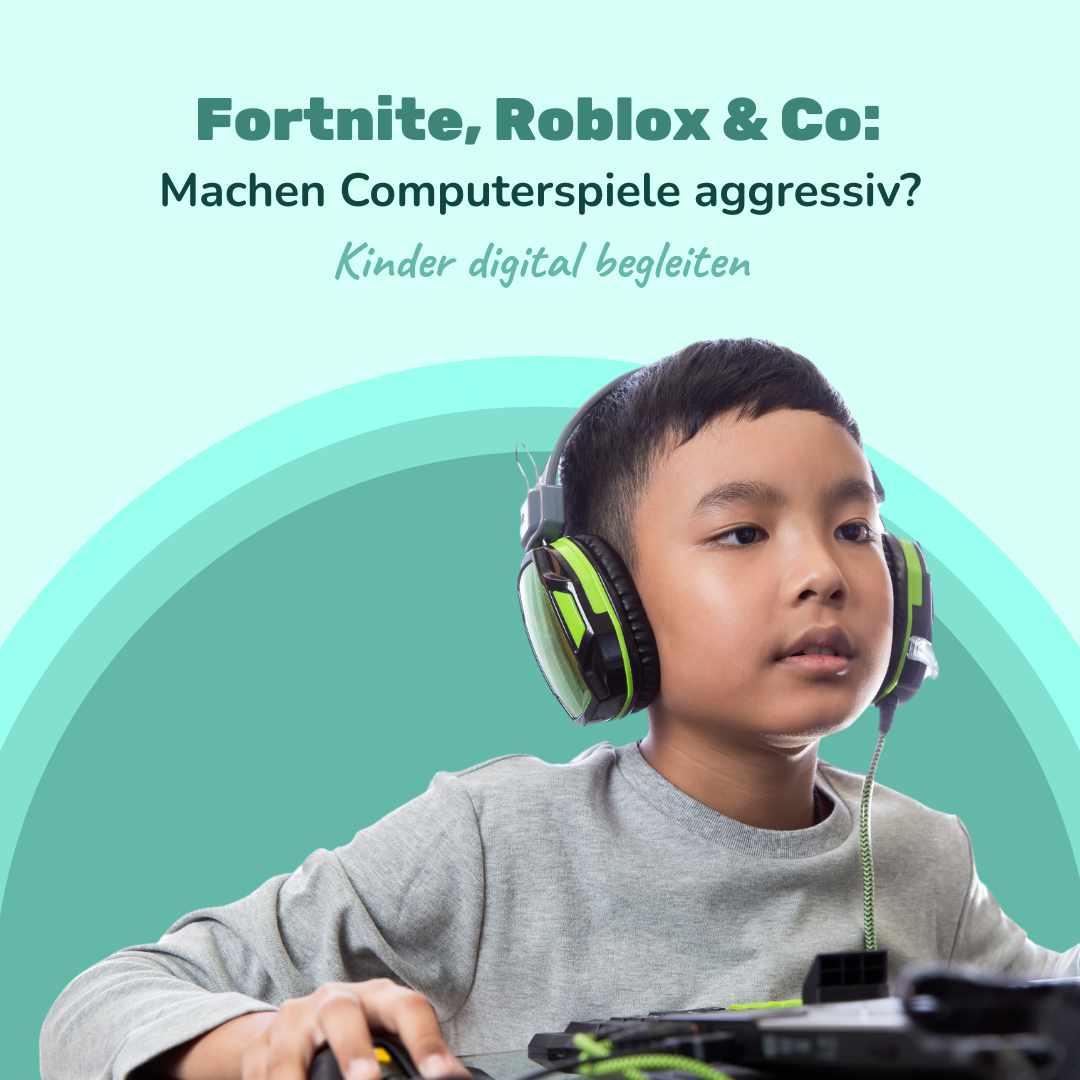
Yesterday I listened to the first episode of the podcast “Kinder digital begleiten” by Leonie Lutz – and I must say, rarely has a conversation about media education preoccupied me so much. Especially because my son does not yet have his own phone, but keeps talking about his friends who apparently “are allowed to do anything,” dealing with digital media is a daily topic for us.
Two strong voices for greater media literacy
Leonie Lutz brings a lot of experience and passion to the table as a journalist and author. Her guest in this episode, Anika Osthoff, is a teacher at a digital model school in NRW. She knows the challenges and opportunities of digital media from everyday school life and brings a very practical perspective.
How do we adults perceive our children’s digital world?
Right at the beginning, Leonie and Anika ask the exciting question: How do we adults actually experience our children’s digital lives? I often catch myself wavering between fascination and uncertainty when my daughter draws on the tablet or my son talks about his friends’ latest games. For children, it is all second nature – for us parents, it is often a balancing act between trust and control.
“When children have smartphones, they don’t read books anymore.”
This myth comes up again and again – and honestly, I have worried myself that the phone would eventually replace the book. According to the PISA study, children and young people do actually read less and not as well as they used to. Digital media are often cited as the cause because they offer instant rewards.
But Anika Osthoff offers a more nuanced counterargument: According to the KIM and JIM studies, the classic book remains a regular part of leisure time for around 35% of young people – and has been for years. In addition, digital reading media such as e-books have been added.
What I found particularly interesting: There are real reading communities on social media, such as BookTok and BookTube, that even promote reading. Many young people discover new books there or write and read fan fiction. It is reading, just different.
I asked my son what it was like among his friends. He said that some of them still enjoy reading books – others are completely enthusiastic about digital stories or comics they read on their tablets. It became clear to me: Reading has many faces today.
Is digital reading worse than reading on paper?
This is also addressed in the podcast. Reading researcher Andreas Gold explains that there are differences with non-fiction texts, but no detectable difference between digital and analog reading when it comes to fiction. That surprised me – and honestly, also reassured me a little. The main thing is that children read at all, regardless of the format.
What does social media do to our children?
The research on social media is very mixed, and long-term studies are lacking. What is clear, however, is that social media can offer opportunities, such as for interaction and a sense of belonging – especially for young people who move in niche communities or subcultures. At the same time, there are risks such as extremism, populism, bullying, addiction, cybergrooming, or purchasing incentives.
While listening, I became aware of how important it is to keep talking to my children. My son often tells me what his friends experience on TikTok or Snapchat. Even though he does not yet have a phone himself, he has long been part of this digital world through his friends. I try to remain open, listen, and not judge right away.
Shaping the feed together
A particularly valuable tip from Anika Osthoff: When the time comes, you should look at the social media feed together with your children, explain algorithms, and discuss how apps like Snapchat work and why they can be so addictive. A ban achieves little – guidance and trust are key. Every child is different; digital independence should be the goal.
Technology as support – trust remains the most important thing
Of course, smartphones can be set up to block certain content. This makes guided use easier, but does not replace open conversation. In the end, it is mutual trust that counts.
Conclusion
The podcast episode showed me: Many digital myths are oversimplified. It is worth looking closer, listening, and exploring new paths together with our children. I intend to be even more open to my children’s digital world – and to guide them with curiosity, trust, and good conversation.
My clear recommendation for you: Listen to this episode – it was incredibly valuable to me.
Three practical tips from the podcast:
-
Discover together: Look at social media feeds together, explain algorithms, and discuss how apps like Snapchat work.
-
Support individually: Every child is different – digital independence should be the goal.
-
Technology as support: Parental controls are helpful, but do not replace open conversation and mutual trust.