approx. 8 min read

Digital Childhood
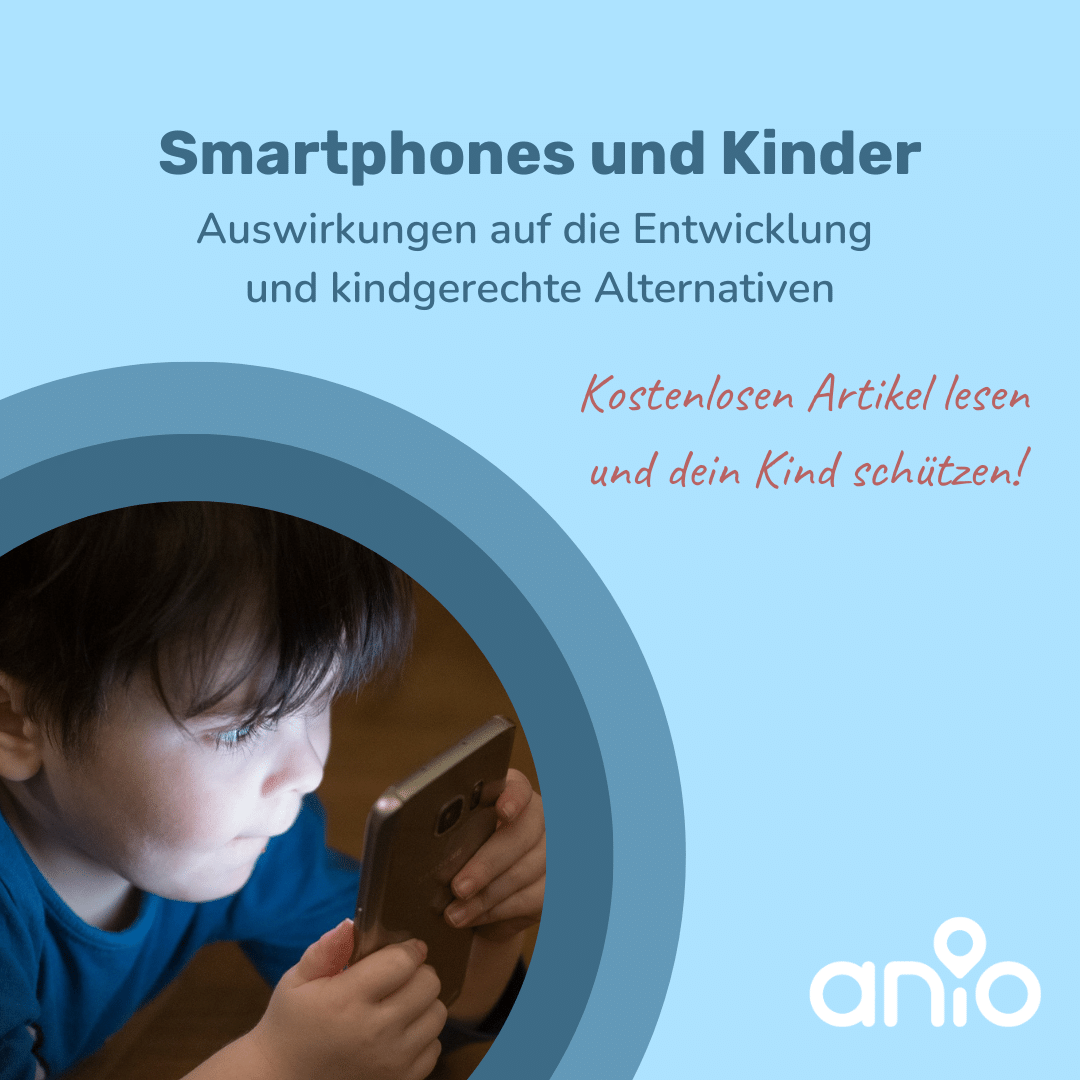
Smartphones are ubiquitous today. They have become integrated into our daily lives and are now almost impossible to imagine without. But while adults enjoy the benefits of this technology, the question arises how smartphone use affects child development. Parents face the challenge of finding the right approach to digital media for their children. This blog post highlights the negative effects of smartphones on children and shows why children's smartwatches can be a sensible alternative.
The Allure of the Digital World
Children are naturally curious and easily enthralled. The colorful and interactive content on smartphones has a strong appeal on them. Apps like TikTok and Instagram offer an endless flood of videos and images that are specifically designed to captivate users' attention. But what seems harmless at first glance can have profound effects on child development.
The Dark Side of Social Media
TikTok and Instagram: A World of Illusions
TikTok and Instagram are two of the most popular social media platforms among children and adolescents. They offer a platform where users can share short videos and images. But these platforms also have a dark side. Constant exposure to perfectly staged images and videos can negatively affect children's self-image. They compare themselves to the seemingly perfect lives of others and develop unrealistic expectations of themselves and their own lives.
The Pressure to Be Perfect
Children and adolescents are particularly susceptible to the pressure created by social media. They often feel forced to present themselves in a perfect light to gain recognition and likes. This can lead to low self-esteem and even mental health problems such as anxiety and depression. The constant search for validation can also lead children to neglect their own needs and desires.
The Effects on Mental Health
Risk of Addiction and Dependency
Smartphones and social media can be addictive. The constant availability of new content and the ability to connect with friends at any time can lead children to spend more and more time on their smartphones. This can lead to dependency, where children have difficulty separating themselves from their devices. The result is often sleep deprivation, concentration problems, and reduced performance at school.
Cyberbullying and Online Dangers
Another serious problem is the phenomenon of cyberbullying. Children and adolescents can easily become victims of bullying and harassment online. The anonymity of the internet makes it easy for perpetrators to harass their victims without fear of consequences. This can have serious effects on the mental health of the affected children and lead to anxiety, depression, and even suicidal thoughts.
The Physical Effects
Lack of Exercise and Health Problems
Intensive smartphone use often leads to children spending less time outdoors and exercising less. This can lead to health problems such as obesity and posture issues. In addition, constant smartphone use can lead to eye problems and headaches.
Sleep Disorders
Using smartphones before bedtime can disrupt children's sleep patterns. The blue light from screens inhibits the production of the sleep hormone melatonin, which can lead to difficulty falling asleep and restless sleep. Sleep deprivation, in turn, can impair children's concentration and overall well-being.
The Long-Term Effects on Cognitive Development
Impaired Concentration
Constant smartphone use can impair children's ability to concentrate. Constant distraction from notifications and the ability to access new content at any time can lead to children having difficulty concentrating on a task. This can negatively affect their academic performance and impair their ability to tackle complex tasks.
Delayed Language Development
A study by the Cincinnati Children's Hospital Medical Center shows that more than one hour of daily screen time in children leads to a reduction in white brain matter, which is important for language and writing skills. This can lead to delays in language development and impair children's ability to communicate effectively.
The Social Effects
Reduced Social Interaction
Intensive smartphone use can lead to children spending less time in direct social interactions. Instead of meeting friends and playing together, they spend their time in front of a screen. This can impair their social skills and lead to difficulty making and maintaining real friendships.
Loss of Empathy
Constant use of social media can also impair children's ability to empathize. The anonymity of the internet and the lack of direct interaction can lead to children developing less compassion for others. This can negatively affect their social relationships and lead to them being less able to understand and respond to the feelings and needs of others.
The Emotional Effects
Increased Anxiety and Depression
Constant use of social media can lead to increased anxiety and depression. Children and adolescents are particularly susceptible to the pressure created by social media. They often feel forced to present themselves in a perfect light to gain recognition and likes. This can lead to low self-esteem and even mental health problems such as anxiety and depression.
Feeling of Isolation
Although social media was originally intended to connect people with each other, today it leads to a feeling of loneliness and isolation in most cases. They may feel that they do not really belong or that they are not as popular as others. This can lead to a feeling of loneliness and isolation that can impair their emotional health.
The Importance of Media Literacy
The Right Approach to Digital Media
It is important that children learn the right approach to digital media. Parents should support their children in developing a healthy relationship with smartphones and social media. This includes setting clear rules for smartphone use and explaining to children what risks are associated with its use. It is also important for parents to offer their children alternative leisure activities that distract them from screens.
Parents as Role Models
Parents play a crucial role in the media education of their children. They should set a good example themselves and model a responsible approach to digital media. This includes reflecting on their own smartphone use and consciously scheduling times without digital devices.
Expert Opinions and Studies
Warnings from Pediatricians
Pediatricians warn against giving children under 11 years old their own smartphone. They argue that early use of smartphones can negatively affect children's development. The constant availability of digital content can lead to overstimulation and impair children's ability to concentrate on a task. In addition, there is a risk that children exposed to social media use are subjected to increased pressure, which can lead to mental health problems[2].
Successful Without a Smartphone
Fritz Weilharter, professor of sports psychology and father of four, advocates giving children their own smartphone only from the age of 12. In his book "The New Elite. Why Children Without Smartphones Own the Future", he argues that children without smartphones are more successful. He emphasizes that IT gurus like Steve Jobs deliberately protect their children from excessive screen time and send them to schools where mobile phones and computers are frowned upon. Weilharter explains that it is important to give children clear rules for using digital media and to support them in developing a healthy relationship with technology[1].
Children's Smartwatches as a Sensible Alternative
The Benefits of Children's Smartwatches
Children's smartwatches offer a sensible alternative to smartphones. They are specifically tailored to the needs of children and parents and offer a range of features that promote children's safety and well-being. Unlike smartphones, children's smartwatches have only a limited number of features, which reduces the risk of distraction and addictive behavior.
The Anio 6 Children's Smartwatch
A particularly recommended model is the Anio 6 children's smartwatch. This smartwatch was specially developed for children and offers a variety of useful features. It enables simple and quick communication between parents and child via telephony and chat, and features a GPS tracking function that determines the child's location at any time. In addition, the Anio 6 smartwatch complies with GDPR rules and promises secure communication.
Safety and Data Protection
The Anio 6 children's smartwatch places great importance on data protection and security. User data is only sparingly collected and data transmission is protected. This gives parents the assurance that their children's personal data will not fall into the wrong hands. In addition, the smartwatch features an SOS button, which allows the child to call for help quickly in an emergency.
Promoting Media Literacy
Children's smartwatches like the Anio 6 promote children's media literacy without overwhelming them. They offer a good way to gradually introduce children to the use of digital devices and teach them responsible use of technology. At the same time, they offer parents the opportunity to keep an eye on their children and react quickly in an emergency.
Perfectly Suitable for Primary School
Another advantage of the Anio 6 children's smartwatch is that it deliberately omits games, a camera, and a calculator function to avoid distractions and ensure safety. This allows the child to concentrate on learning, communication, and safe adventures. Furthermore, the Anio 6 features a school mode, which locks the display and only shows the time to avoid distractions at school. Missed messages and calls are displayed later with an exclamation mark. This makes the watch allowed at most schools and ideal for use in primary school[3][4][5].
Conclusion: A Conscious Approach to Digital Media
Smartphone use can have profound effects on child development. It is important that parents are aware of these risks and support their children in learning a responsible approach to digital media. Children's smartwatches offer a sensible alternative to smartphones and can help promote children's safety and well-being. The Anio 6 children's smartwatch is a particularly recommended model that takes into account both the needs of children and parents.
Sources:
[3] https://anio.eu
[4] https://alarmbands.com/en/product/smartwatch-kids-with-geo-tracking-red/