approx. 3 min read

What are allergies in children?
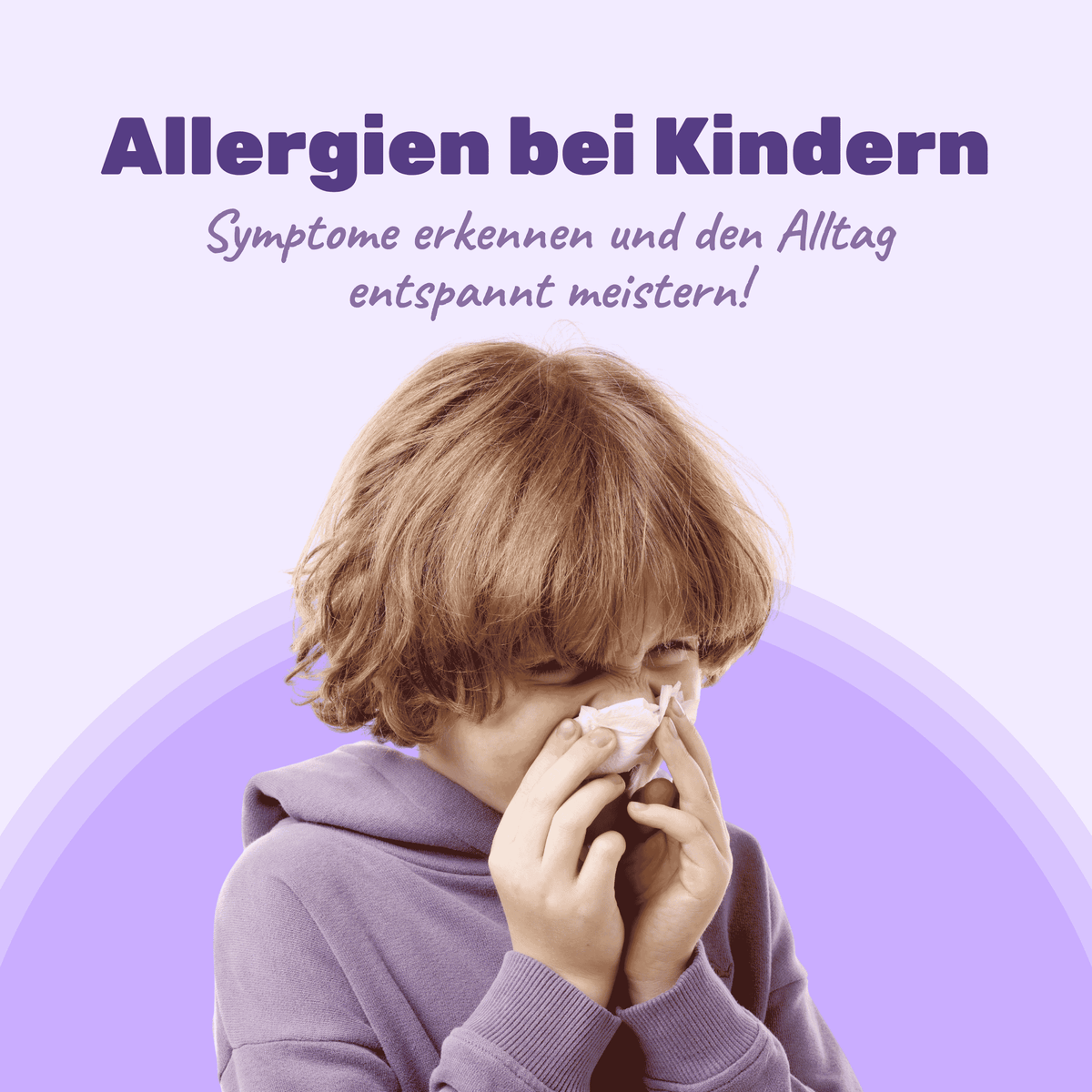
Allergies in children often occur at kindergarten or primary school age. According to surveys by the Robert Koch Institute, more than 20% of children and more than 30% of adults in Germany develop an allergic disease during their lives (Federal Institute for Risk Assessment). In this case, the immune system reacts hypersensitively to actually harmless substances such as pollen, house dust or animal hair. The first signs appear particularly frequently in spring. For parents, it is important to recognize them early and adapt everyday life accordingly.
Recognizing allergy symptoms in children
Symptoms can vary in severity. The most common signs include:
- Frequent sneezing
- Red and itchy eyes
- Runny or stuffy nose
- Coughing or breathing difficulties
- Nasal mucous membranes
If these symptoms occur regularly, a visit to the pediatrician can help clarify the cause and find suitable measures.
Allergies in children: Tips for parents
Allergies can affect everyday family life, but they do not have to determine it. A calm and conscious approach is important. Children take their cues from their parents. A relaxed attitude helps them understand and deal with the situation better. Instead of uncertainty or pressure, clear, simple solutions in everyday life are needed.
With a few adjustments, everyday life can be made significantly more relaxed:
- Consider pollen exposure: Plan activities for times with lower pollen exposure, for example after rain or in the evening.
- Change clothes: After playing outside, it helps to change clothes and wash hands and face.
- Keep the sleeping environment clean: Regular airing and fresh bed linen can reduce allergens.
- Involve the child: Explain to your child in an age-appropriate way what is happening and what makes them feel better. This strengthens their understanding and independence.

Promoting independence despite allergies
Even with allergies, children want to play outside, make friends and discover their surroundings. This is important for their development. Parents can find a good middle ground here: protection where it is necessary and freedom where it is possible. This way, children learn to pay attention to their bodies and take responsibility for themselves.
Support in everyday family life
Especially when children are out and about, it gives parents peace of mind to stay reachable. A children's smartwatch like Anio enables simple and secure communication. Children can check in when they need support. At the same time, they retain their freedom to manage their everyday life independently. Without distraction, without being overwhelmed.
Conclusion: Managing allergies in children with a relaxed approach
Allergies are part of everyday life for many families. With the right knowledge, small adjustments and a calm attitude, they can be managed well. The most important thing is that children continue to feel safe and can discover their world. With confidence, understanding and the right support in the background.
Sources: Robert Koch Institute, Federal Institute for Risk Assessment, BMUKN (Federal Ministry for the Environment, Climate Action, Nature Conservation and Nuclear Safety), AOK Health Magazine